


Introduction to the best back doors UK
There is a certain reassurance that comes from closing a solid door behind you. The quiet click of the lock, the weight beneath your hand, and the warmth that stays in as the weather turns outside. For many UK homes, the back door is far more than a simple exit point. It is the gateway between your private space and the world beyond. It is where the dog races out on chilly mornings, where boots are left after a muddy walk, and where families share quick chats before heading out for the day.
Yet while front doors often take all the attention, the back door quietly does just as much work. It keeps your home secure, protects it from draughts and damp, and contributes to its overall character. Choosing the best back door is not just a matter of taste. It is about creating peace of mind, improving efficiency, and enhancing everyday comfort.
At Doorland, our experience spans decades in helping homeowners and professionals find the right solutions for their properties. Whether you are replacing an ageing timber frame or fitting a brand new composite door, our focus is always the same — dependable security, energy performance, and long lasting style that suits your home perfectly.
Why Your Back Door Matters (Security, Energy and Style)
Imagine this scene. A couple in Manchester return from holiday to find their kitchen door slightly ajar. The lock has failed and muddy footprints trail across the tiles. The break in happened quietly, through the rear of the property, where the door had grown weaker over time. Sadly, this is not uncommon. According to data from the Office for National Statistics, almost one in four domestic break ins in the UK happen through the back door.
A well designed back door does far more than look good. It forms part of your home’s armour, standing firm against intruders, wind, and rain alike. It should seal tightly to keep warmth inside and draughts out, while still allowing natural light and ventilation. Whether you live in a terraced house in London, a semi detached in Leeds, or a rural cottage in Cornwall, your back door deserves the same attention as your front.
The very best back doors in the UK combine three essential qualities, security, energy performance, and style. Together, these elements protect what matters most while improving the look and feel of your home.
Security Considerations for Rear Entrance Doors
Security is the heartbeat of every well chosen back door. For many homeowners, the back of the property feels private and secluded but that same privacy can make it an easier target for intruders. A strong rear door should act as both a physical barrier and a psychological deterrent. It says, “You’re not getting through here.”
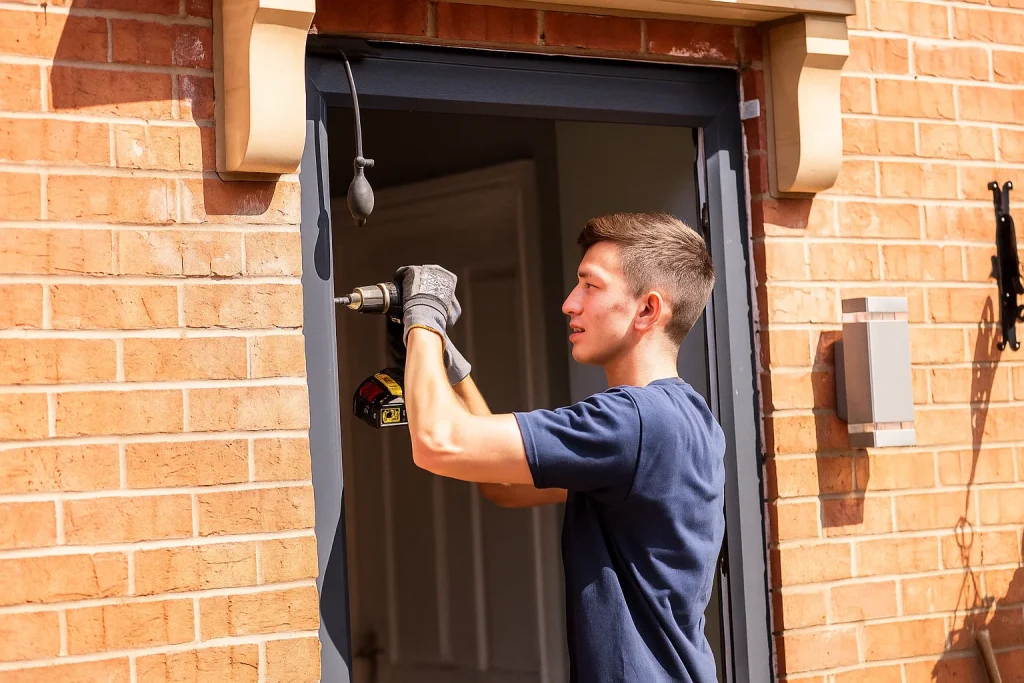
Picture a tradesperson working on a renovation in Nottingham. They replace a tired timber door with a modern composite model, fitted with a full multi point locking system and reinforced frame. Within minutes of closing it, they can feel the difference. The door sits flush, locks with a satisfying firmness, and no longer rattles in the frame when the wind blows. That tactile sense of strength tells a story of security achieved through expert engineering.
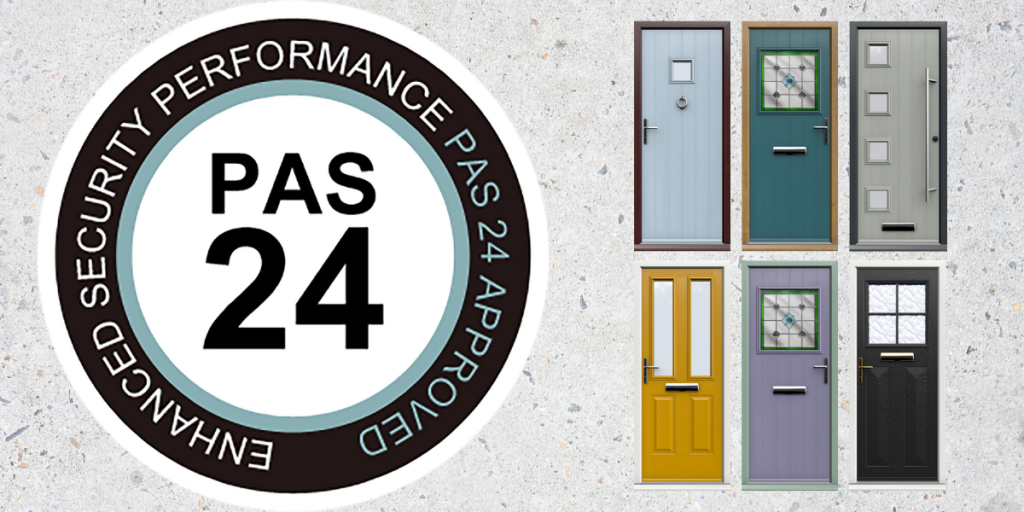
At Doorland, we recommend doors that meet PAS 24 and Secured by Design standards. These certifications mean the door has been tested under simulated break in conditions forced entry attempts, impact resistance, and lock manipulation. It’s the kind of reassurance that cannot be seen but can always be felt.
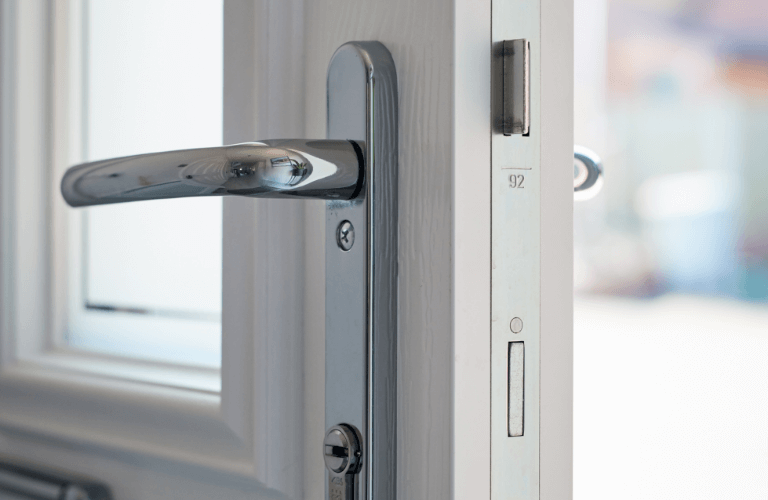
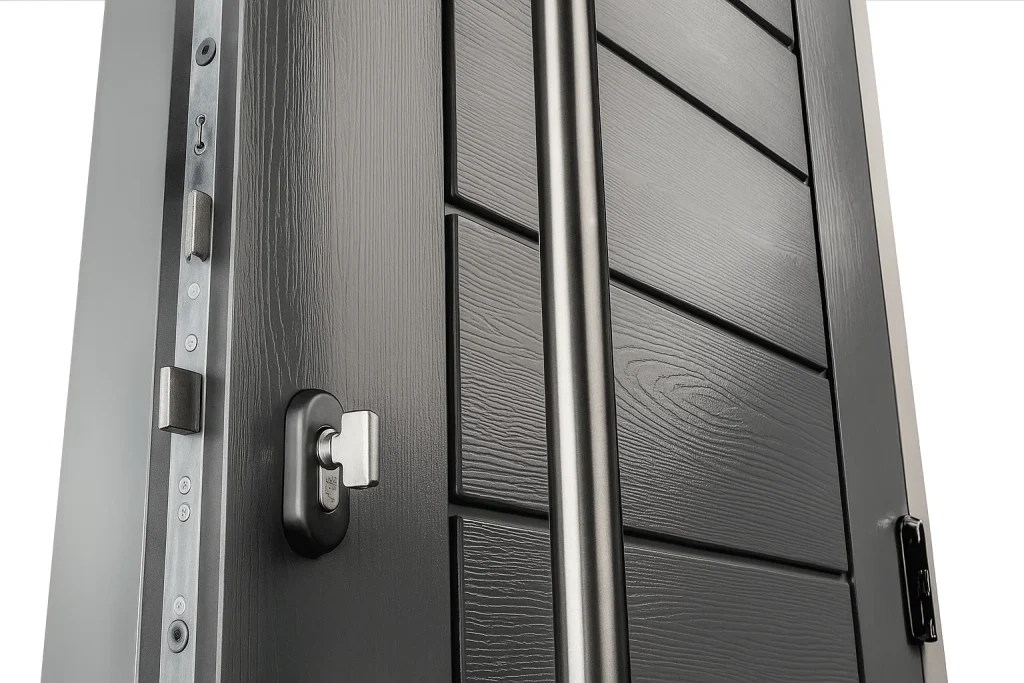
Composite doors, in particular, perform exceptionally well for rear entrances because of their solid core construction. Layers of timber, insulating foam, and durable uPVC skins work together to resist force while maintaining an attractive appearance. Many models also include anti snap, anti pick, and anti drill cylinders, giving added protection where it counts most the lock.
Expert Tip:
For homes with older uPVC or timber frames, upgrading the locks alone is rarely enough. A poorly fitted frame or weak hinge can compromise the entire system. Always consider replacing the full unit with a reinforced frame and door set designed for modern UK standards.
This level of performance doesn’t just keep out unwanted guests. It also provides peace of mind for homeowners who value quiet confidence over constant worry. A back door designed for modern security standards should never feel flimsy or hollow it should feel like part of your home’s structure itself, steady and dependable every time it closes.
Energy Efficiency and Weather Resistance at the Back of Your Home
Security might be the first thing that comes to mind when choosing a back door, but comfort quickly follows. There’s little sense in having a strong door if it allows the cold to creep in or rain to seep under the frame. A high performing back door should feel like a solid shield, one that holds warmth inside during winter and keeps your home cool when summer finally shows up.
Think of a typical British winter morning. Rain tapping on the glass, a chill in the air, and the kettle just beginning to whistle. If your back door has poor seals or a thin panel, you’ll feel the draught before the tea has even brewed. Over time, that small gap in insulation adds up to higher heating bills and a colder, less comfortable home.
This is where composite doors really shine. Their insulated core and weather resistant outer layer create an effective thermal barrier. Many models achieve A rated energy performance, similar to the best double glazed windows, reducing heat loss without sacrificing durability. When paired with toughened double glazing and high quality gaskets, a composite back door can significantly lower energy use across the year.
uPVC doors also offer solid energy efficiency at an affordable price point. The chambers within the uPVC frame trap air, helping to prevent the transfer of heat. For households seeking a low maintenance and cost effective upgrade, uPVC remains a practical choice. But insulation isn’t the whole story. The unpredictable UK weather, a mix of rain, frost, and salty coastal air demands materials that resist warping, swelling, and corrosion. Timber doors, while full of character, require regular treatment to stay watertight. In contrast, composite and uPVC models are designed to withstand exposure without fading or bowing, keeping your home sealed tight through every season.
Expert Insight:
A poorly insulated back door can lose up to 15% of your home’s total heat according to the Energy Saving Trust. Upgrading to an A rated model could save around £100 a year on heating bills while improving overall comfort. At Doorland, we advise homeowners to look for weather seals, thermal breaks, and energy certifications when choosing their next door. These small technical details make a big difference over time, protecting not just your comfort, but the lifespan of the door itself.

When the right materials come together, your back door becomes more than just an entryway. It becomes a guardian against the elements, saving energy, lowering costs, and making your home feel truly protected from the unpredictable British weather.
Style, Finish and Material Options
A back door might be chosen for security and performance, but it also carries the quiet power of design. It can completely change how a space feels. A thoughtfully chosen door doesn’t just close off a room, it frames your view of the garden, catches the morning light, and complements the personality of your home.
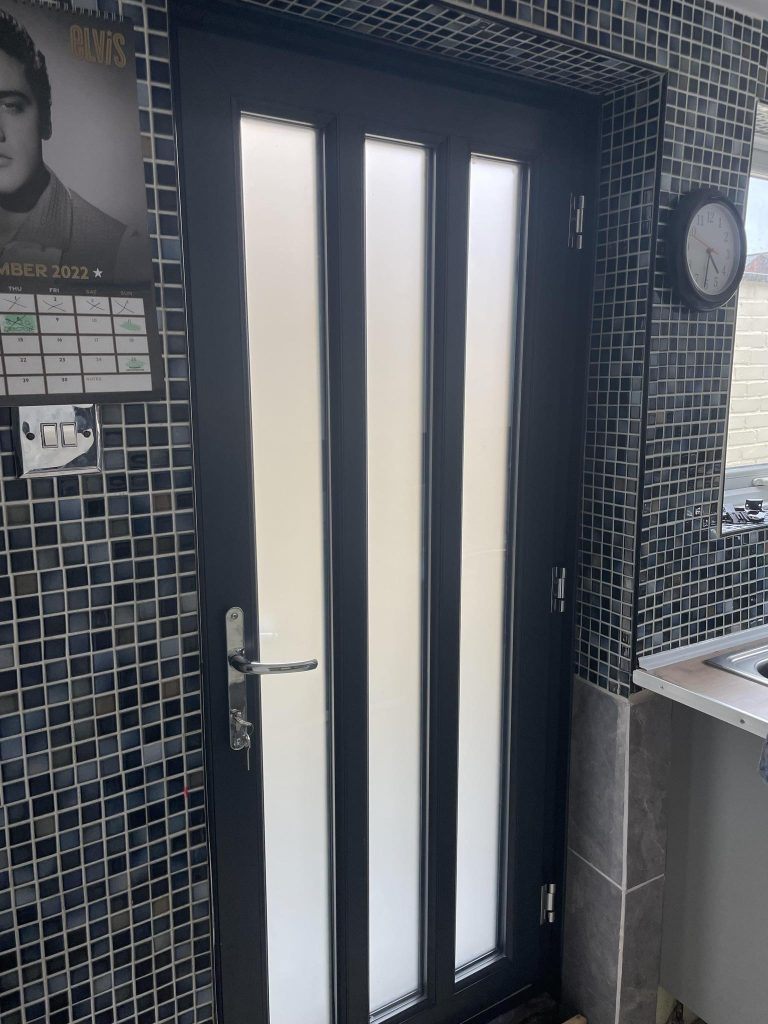
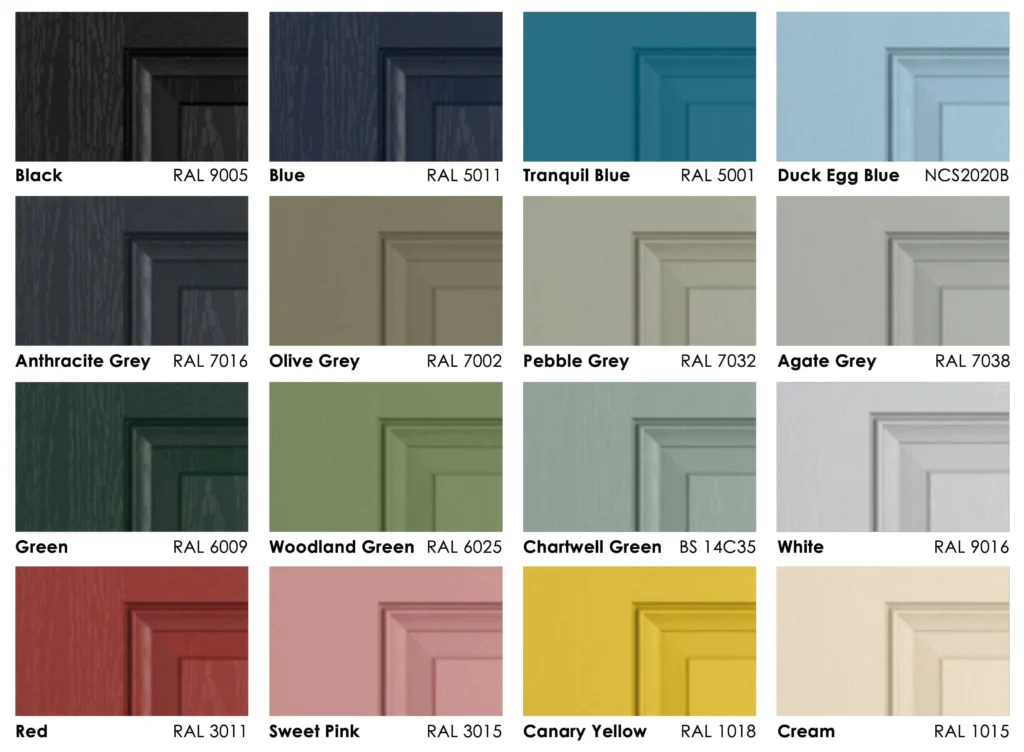
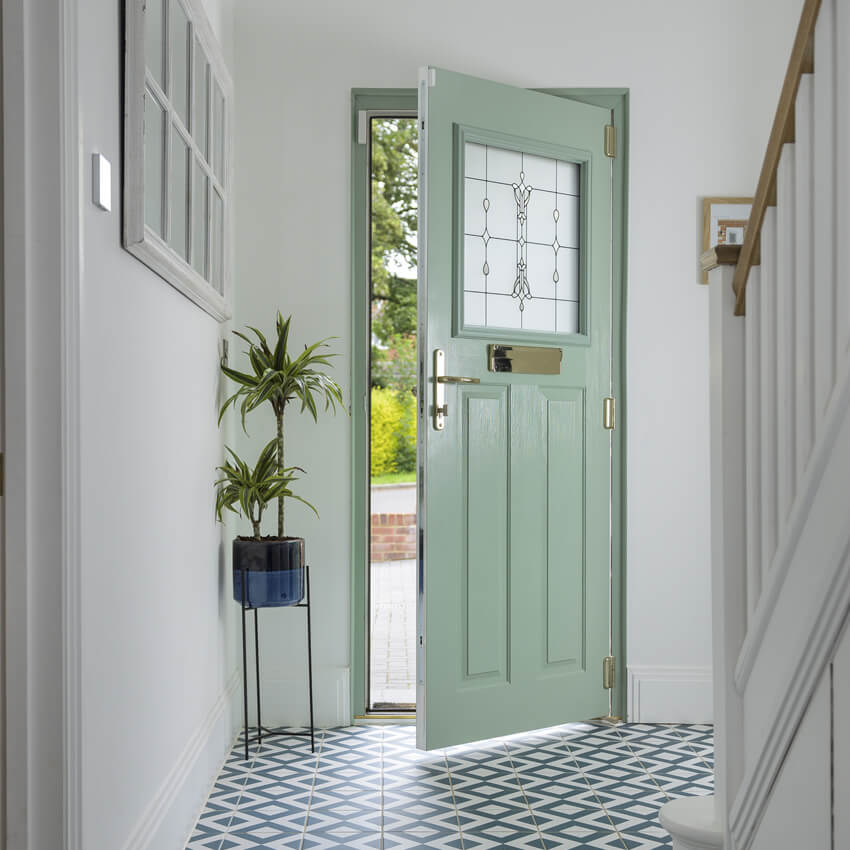
Imagine standing in a bright kitchen looking out onto a garden through a smooth, glass-panelled composite door finished in soft Chartwell Green. The colour feels calm, timeless, and effortlessly British. Now picture the same space with a sleek Anthracite Grey frame and frosted glazing for privacy, contemporary, understated, and strong. Both doors perform the same function, yet each tells a very different story about the home behind it.
At Doorland, design choice is as flexible as it is functional. Every homeowner has a different vision, and that is why we offer a range of composite and uPVC back doors in multiple styles, colours, and glazing options. Whether you want a modern flush finish or a more classic panelled look, every detail from handle choice to frame contour can be tailored to suit your property.
Composite back doors allow for deep, woodgrain textures that replicate the appearance of natural timber without the constant maintenance. These finishes are embossed during manufacturing, creating a realistic grain pattern that resists fading and peeling even under constant exposure to sunlight and rain.
uPVC doors, on the other hand, remain a popular choice for minimalist, modern homes. They are lightweight, easy to clean, and come in a variety of colours to match windows or fascias. A quick wipe with a damp cloth is all it takes to keep them looking new year after year.
For period homes or cottages, timber doors remain an elegant option. Nothing matches the authenticity of real wood, especially when combined with traditional glazing or decorative hardware. However, they do require ongoing care to prevent weathering, which is why many homeowners now choose composite alternatives that achieve the same charm with greater durability.
Expert Advice:
For rear entrances that face the garden, consider a half glazed or fully glazed door with toughened safety glass. It keeps the space bright and airy while maintaining privacy and protection. Frosted or patterned glazing is an excellent way to balance light with security.
Style, finish, and material choice are never just about appearances. They are about creating a door that feels like it belongs, one that complements your home’s architecture, reflects your personality, and performs to the same high standards as every product in the Doorland range.
Top Materials for Back Doors in UK Homes
Choosing the right material for your back door is like choosing the heart of your home’s protection. It decides how well your door stands up to the elements, how secure it feels, and how easy it is to live with day after day. Each material offers its own strengths, whether that’s the solid reliability of composite, the affordability of uPVC, the charm of timber, or the clean modernity of aluminium and steel.
At Doorland, we’ve worked with every kind of door construction available in the UK market. Our advice is always based on hands-on experience from both homeowners and professional installers who want products that perform beautifully, year after year.
Composite Doors – Strong, Low Maintenance and Stylish
Composite doors are now the top choice for UK homeowners looking for lasting quality. They are built from a blend of materials, usually a solid timber or foam core surrounded by layers of uPVC and reinforced glass-fibre skin. This fusion creates a door that is exceptionally strong, secure, and resistant to warping.
Think of a composite door as the modern craftsman’s answer to traditional joinery, combining the feel of real wood with the resilience of contemporary engineering. Homeowners often describe them as “solid as a wall” because the weight and soundproofing are immediately noticeable.
Composite back doors are ideal for properties that face exposed conditions or experience heavy daily use. They stand firm against knocks, resist fading, and maintain their appearance with almost no upkeep beyond a simple wipe clean. They also offer excellent insulation, keeping warmth inside and energy bills low.
uPVC Doors – Budget Friendly, Secure and Practical
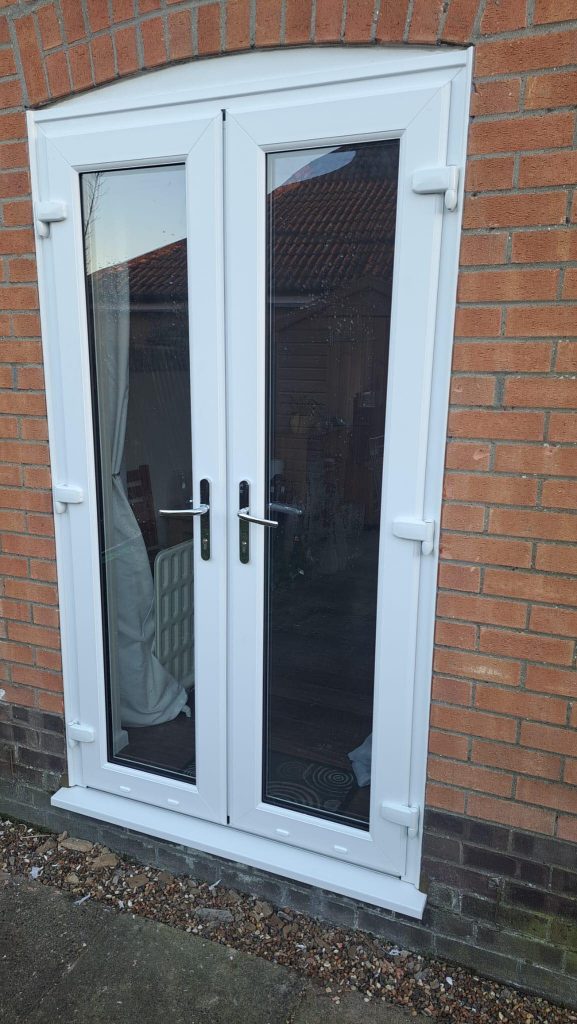
For homeowners seeking reliable performance at a lower cost, uPVC doors remain a trusted option. Their hollow chambers trap air to improve insulation, while the plastic outer layer resists moisture and requires no painting or varnishing. Imagine a busy family home, children running in and out to the garden, the dog scratching at the bottom panel, and muddy shoes leaving marks. A quick clean with a damp cloth restores the door’s finish instantly. That practicality is what makes uPVC so appealing.
Modern uPVC doors have evolved far beyond their early designs. They now feature reinforced steel cores, multi point locks, and durable gaskets to improve strength and weather resistance. While they may not have the weight of a composite, they still provide dependable security and long-term value for money.
Timber and Hardwood Doors – Traditional Character with Trade Offs
There’s something undeniably special about real wood. The grain, the scent, and the craftsmanship evoke warmth and authenticity that no other material quite replicates. Timber doors suit period homes and cottages beautifully, giving them natural texture and depth.
However, timber requires care. Exposure to damp or harsh sunlight can cause swelling, shrinking, or cracking. Regular sanding, painting, or varnishing is necessary to keep the surface weatherproof. For many modern households, that upkeep can be a challenge, which is why composite designs often step in as a practical alternative that captures the same aesthetic.
Still, for homeowners who appreciate traditional materials and don’t mind the maintenance, a well made hardwood back door can last for decades. The key is choosing engineered timber that has been properly treated for moisture resistance and fitted by a qualified professional.
Aluminium and Steel Options – Modern Aesthetic, High Performance
For contemporary architecture and industrial-style homes, aluminium and steel back doors bring a sleek, minimalist edge. They offer slim sightlines, impressive durability, and low maintenance appeal.
These doors excel in strength and security, particularly when paired with laminated safety glass. Aluminium naturally resists rust and corrosion, making it ideal for coastal properties where salty air can affect other materials. Steel, on the other hand, is unbeatable for sheer toughness and can be powder coated in virtually any colour for a clean, modern finish.
While metal doors are often seen in commercial settings, more UK homeowners are now choosing them for extensions, garden rooms, and open plan spaces where large glazed sections enhance natural light.
Selecting the right material isn’t just a practical decision, it’s a reflection of how you live. Whether you value timeless craftsmanship, effortless maintenance, or bold modern design, each material has something unique to offer. The key is finding the balance between beauty, performance, and the level of care you’re comfortable with, and that’s where Doorland’s expertise helps guide you to the perfect choice for your home.
Key Features to Look For When Selecting the Best Back Door
When it comes to choosing the best back door, small details make a big difference. Security certifications, lock types, glazing, and finishes may seem like minor decisions, but together they determine how safe, efficient, and long lasting your door will be. At Doorland, we guide every customer through these choices to make sure the final result fits both their home and their lifestyle perfectly.
Multi Point Locking Systems and Certifications
If the material is the muscle of a door, the locking system is its heartbeat. Multi point locking systems secure the door at several points along the frame, making it far more difficult for anyone to force open. The moment you turn the key, you can feel that secure grip, a reassuring firmness that sets a quality door apart from a basic one.
Look for doors that meet PAS 24 or Secured by Design standards. These certifications prove that the door has passed rigorous testing, including simulated break in attempts, impact tests, and hinge strength evaluations. It’s the kind of quiet protection that operates behind the scenes, giving you confidence every time you close up for the night.
For added protection, consider anti snap and anti drill cylinders within your locking system. These features stop intruders from manipulating the lock barrel, a common method of forced entry on older doors.
Glazing, Panels and Privacy Considerations
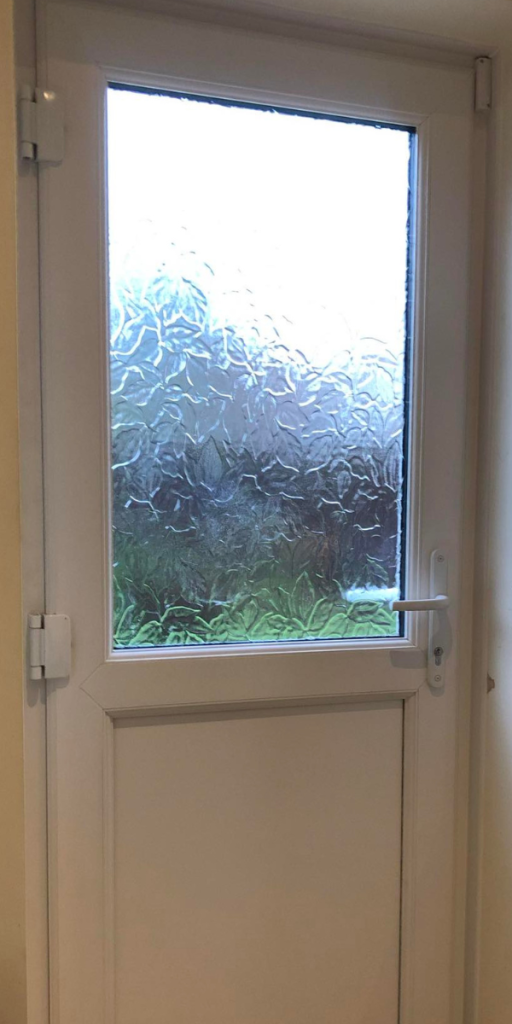
Back doors often open onto gardens, patios, or shared alleyways, which means the right glazing choice is essential for both security and comfort. Glass can add light and warmth to a space, but it must be strong enough to resist impact and protect your privacy. Toughened or laminated glass is recommended for all glazed sections. These materials are designed to hold together if broken, reducing the risk of injury and delaying forced entry.
Frosted or patterned glass adds another layer of privacy without blocking sunlight, ideal for homes where the rear entrance faces neighbouring properties. At Doorland, our composite and uPVC back doors can be customised with clear, frosted, or decorative glass options. You can even choose double or triple glazing for better insulation and sound reduction.
Colours, Finishes and Matching with Your Home’s Exterior
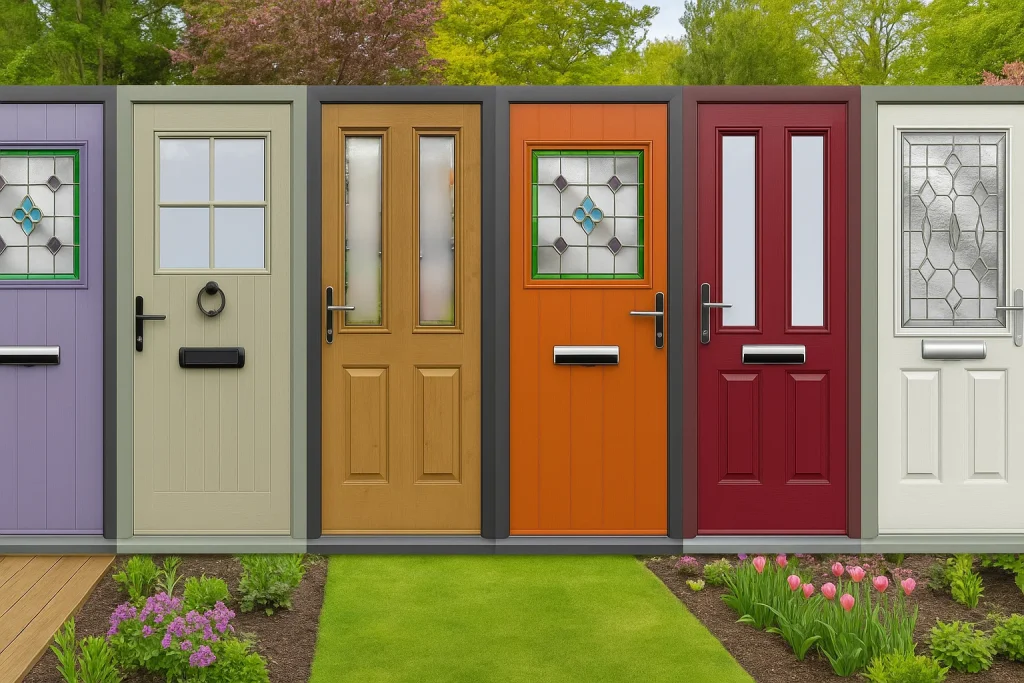
Your back door doesn’t need to be hidden away. It can be a beautiful feature that ties together the design of your home. Whether you prefer subtle shades like Cream or Slate Grey, or bold tones like Deep Red or Navy Blue, a well chosen finish can completely lift a property’s appearance.
Composite doors are available in a wide palette of colours with realistic woodgrain textures that resist fading even in direct sunlight. uPVC models also offer foil finishes that mimic timber without the need for repainting. For a consistent look, consider matching your door colour with your window frames or fascia boards, a small detail that creates a polished, unified style.
Installation and Aftercare for Long Term Performance
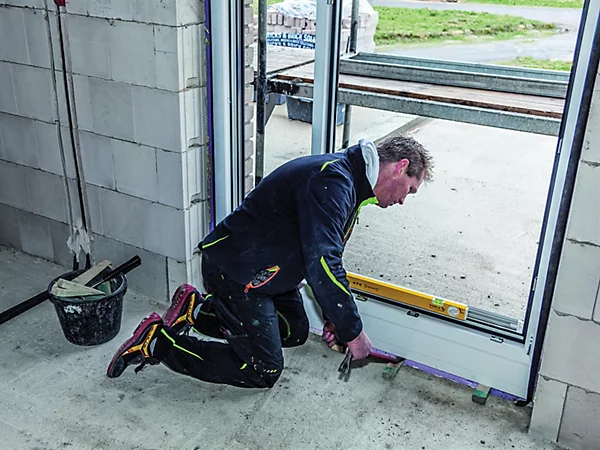
Even the best designed door can underperform if it isn’t fitted correctly. A misaligned frame or poorly sealed joint can let in draughts, reduce insulation, and weaken security. That’s why every Doorland supply-only back door is built to exact specifications for easy, accurate fitting, whether by an experienced DIYer or a professional installer.
Once installed, caring for your door is simple. A light clean with warm soapy water and a soft cloth removes dust and dirt. Check seals and hinges every few months, and apply a small amount of lubricant to the locks to keep them working smoothly. With minimal maintenance, a high-quality composite or uPVC door can last over 30 years without loss of performance.
By focusing on these features, from locking mechanisms to colour finishes you can be confident that your new back door will look stunning, perform reliably, and stand the test of time. At Doorland, we help homeowners make informed choices backed by genuine trade expertise, ensuring that every product delivers both beauty and peace of mind.
Recommended Back Door Products You Can Consider
Choosing the best back door isn’t just about browsing options online, it’s about understanding what fits your home, your lifestyle, and your security expectations. To help guide your search, here are several types of supply-only back doors that combine durability, energy efficiency, and beautiful design. Each of these examples represents the level of quality and craftsmanship that Doorland provides to homeowners and trade professionals across the UK.
1. Composite Cottage Style Back Door
A favourite among homeowners who love traditional charm. The composite cottage style back door features a realistic woodgrain finish and a stable-style layout, allowing ventilation without fully opening the door. It delivers the appearance of real timber with the performance of a high security composite structure.
Best for: Period properties, cottages, and homes with country-inspired design.
Key features: Multi point locking system, solid foam core, toughened glazing.
2. Modern Composite Back Door
A sleek and minimalist choice designed for contemporary homes. The composite back door sits level with the frame for a clean, seamless look. With its reinforced core and weather resistant finish, it stands up to both style and security demands.
Best for: New builds, modern extensions, and open plan kitchens.
Key features: Smooth composite finish, PAS 24 certification, optional triple glazing.
3. Classic uPVC Back Door with Half Glazed Panel
This design combines practicality and light. The upper glazed section brightens the kitchen or utility area, while the lower solid panel adds privacy and resilience. Low maintenance and energy efficient, it’s a reliable everyday option for busy homes.
Best for: Family homes and utility entrances.
Key features: Reinforced uPVC frame, toughened double glazing, weather seal system.
4. Timber Effect Composite Back Door
Perfect for homeowners who love the look of natural wood but prefer low maintenance performance. The timber effect composite back door replicates grain and texture with remarkable accuracy while offering all the strength and insulation of a solid composite core.
Best for: Traditional and heritage properties.
Key features: Woodgrain composite finish, reinforced hinges, A rated energy efficiency.
5. Fully Glazed uPVC Back Door
If your kitchen or conservatory feels dim, a fully glazed back door can transform the space. The full height glass panels flood the room with light and create a seamless connection to the garden. Fitted with toughened safety glass and secure locks, it offers elegance without compromise.
Best for: Garden access points and contemporary spaces.
Key features: Double glazed panels, reinforced steel frame, easy clean finish.
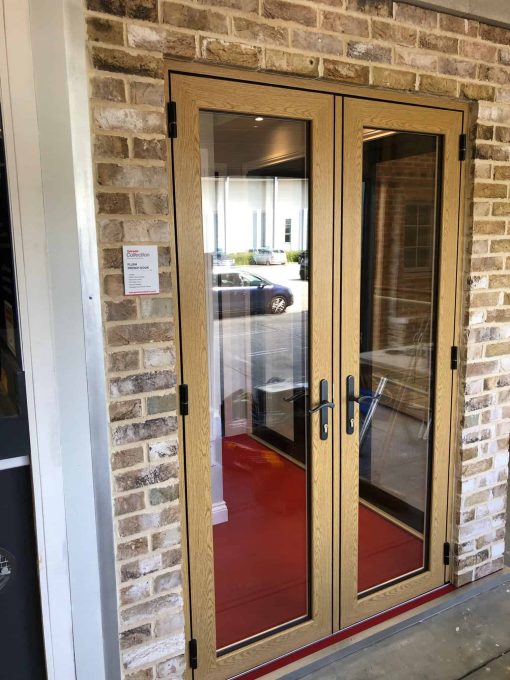
6. Aluminium Glazed Back Door
Strong, slim, and contemporary, aluminium back doors are ideal for modern homes and extensions. The slender frame allows for large panes of glass, giving uninterrupted views and maximum light while maintaining high security standards.
Best for: Modern architecture and garden rooms.
Key features: Aluminium frame, thermal break technology, multi point locking system.
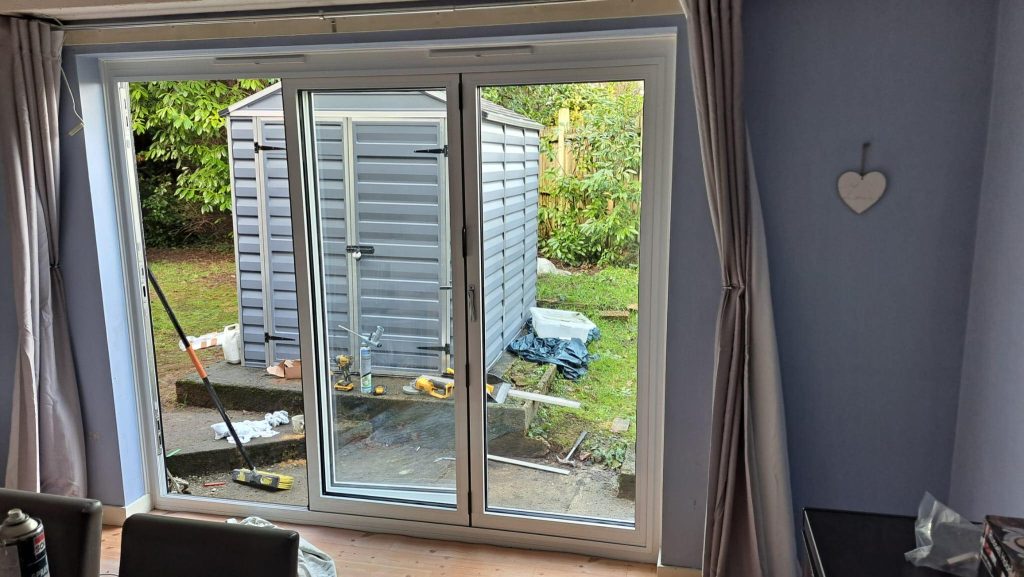
8. Security Enhanced Composite Door Set
For those who prioritise peace of mind above all else, the security enhanced composite door set offers maximum protection. Fitted with anti snap locks, reinforced frames, and PAS 24 accreditation, it’s designed for homeowners who want commercial level strength in a domestic setting.
Best for: High security areas, side entrances, or isolated homes.
Key features: Full door set with reinforced hinges, tested to UK police standards, A rated thermal efficiency.
These options represent the variety and flexibility available when choosing your back door with Doorland. Each one is built around what matters most, safety, comfort, and design that fits seamlessly into the way you live.
Frequently Asked Questions About The Best Back Doors UK
What are the best back doors UK homeowners choose for security?
The best back doors UK homeowners select for top-level security are composite doors. Their solid core construction, reinforced frame, and multi point locking systems make them exceptionally resistant to forced entry. Many are also PAS 24 certified and approved under Secured by Design, meeting police-endorsed security standards.
Are composite doors more secure than uPVC back doors?
Yes. Composite back doors are generally more secure because of their dense, layered core and reinforced frame. uPVC back doors remain reliable and affordable, but composites offer additional strength and insulation, making them one of the best back doors UK customers can buy for high performance and peace of mind.
Which materials make the best back doors UK for durability?
Composite and aluminium are the most durable materials for the best back doors UK. They resist warping, rotting, and corrosion, even under harsh weather conditions. Composite doors offer the look of timber with long-lasting strength, while aluminium delivers modern style and exceptional rigidity.
How energy efficient are the best back doors UK homeowners can buy?
Most best back doors UK options, particularly composite and uPVC, come with insulated cores and weather seals that achieve A-rated energy efficiency. They prevent draughts, retain heat, and help lower energy bills throughout the year, which is particularly valuable during colder British winters.
Can I customise the design of my back door?
Absolutely. One reason the best back doors UK homeowners love composite and uPVC models is their flexibility in design. You can choose from a wide range of colours, finishes, glazing styles, and hardware to complement both modern and traditional homes.
Do the best back doors UK require much maintenance?
No. The best back doors UK are designed to be low maintenance. Composite and uPVC models only need a quick wipe with warm soapy water to stay clean. Unlike timber, they don’t require sanding, painting, or varnishing, making them a practical choice for busy households.
Are glass panels safe in back doors?
Yes, when you choose the right specification. The best back doors UK featuring glass panels use toughened or laminated safety glass that won’t shatter easily. These doors also include reinforced frames and secure glazing beads to maintain structural strength and home security.
What colour options are available for the best back doors UK?
The best back doors UK are available in a wide range of colours, from classic White, Black, and Oak to contemporary Anthracite Grey, Chartwell Green, and Deep Blue. Composite finishes often include textured woodgrain effects, allowing you to match your back door perfectly to your windows and exterior design.
How long do the best back doors UK typically last?
When properly maintained, the best back doors UK, especially composite and uPVC; can last 25 to 35 years or longer. Their weather-resistant construction and protective coatings ensure they keep performing well even in the most demanding British climates.
10. Where can I buy the best back doors UK homeowners recommend?
You can find a full range of the best back doors UK directly from Doorland, the specialist composite door supplier trusted by homeowners and professionals across the country. Every product is crafted to the highest UK standards for security, performance, and design.